

The year was 1997. Titanic had just hit the box office, and Kate Winslet was the centre of media attention. Not because of her amazing performance, but because she was deemed “too fat” to be the lead of a blockbuster.
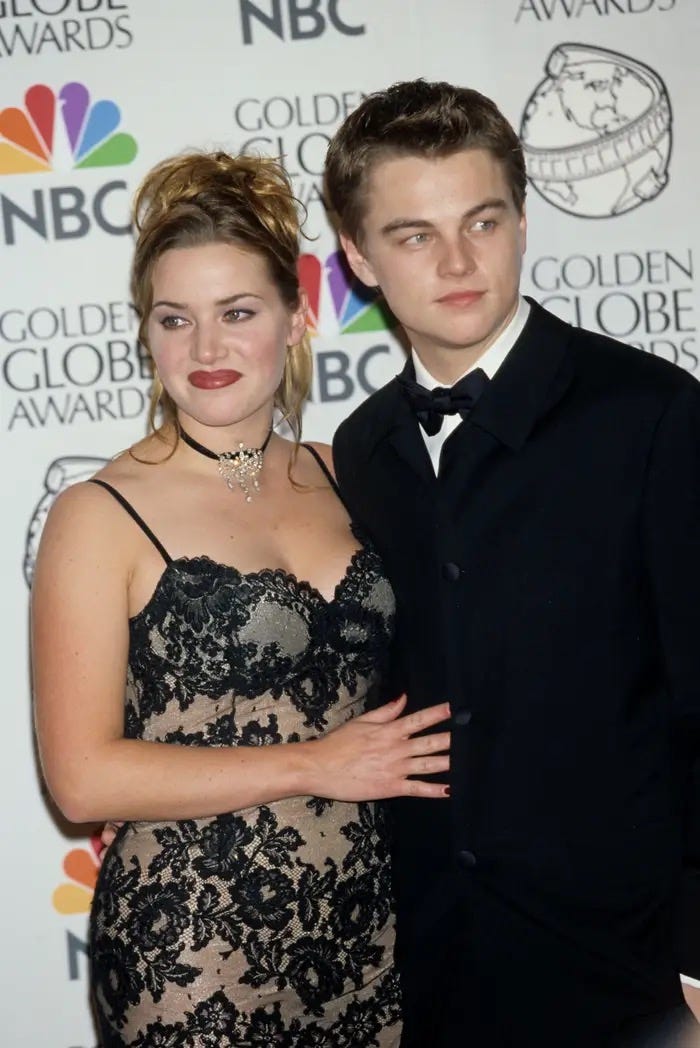
Kate Winslet became one of the most recognisable faces on the planet overnight. At 22 years old, she carried one of the biggest films in cinematic history. Her performance as Rose was tender, defiant, and iconic.
And yet, instead of talking about her work, much of the media decided her body was the story.
Kate Winslet wasn’t discussed as an actor. She was assessed. Debated. Harassed. And bullied.
The late ’90s were peak “heroin chic”, an era obsessed with extreme thinness, hollow cheeks, and visible fragility. Against that backdrop, Kate Winslet’s body: healthy, entirely normal, was treated as a crime.
She was labelled “fat” in tabloids. Mocked for her red-carpet dresses. It was even suggested she should have worn a dress “two sizes larger.” Infamously describing her as “a little melted and poured” into a gown.
She was hunted. She explained in interviews that the paparazzi would go through her bins at her home, looking through her garbage to report on her diet. This wasn’t just criticism. It was public humiliation.
Kate Winslet has since described the treatment in interviews as “absolutely appalling,” saying it felt like bullying. The message was clear: talent alone was not enough if your body didn’t conform.
In her most notable interview, “the 60 minutes” one, she broke down in tears relaying how the body shaming made her feel. “It’s absolutely appalling,” She said. “What kind of a person must they be to do something like that to a young actress who’s just trying to figure it out?”
Kate also explained a moment where she had confronted a member of the press for the bullying. She said: “I did get face to face. I let them have it. I said, ‘I hope this haunts you.’ It was a great moment, it was a great moment because it wasn’t just for me, it was for all those people who were subjected to that level of harassment. It was horrific. It was really bad.”
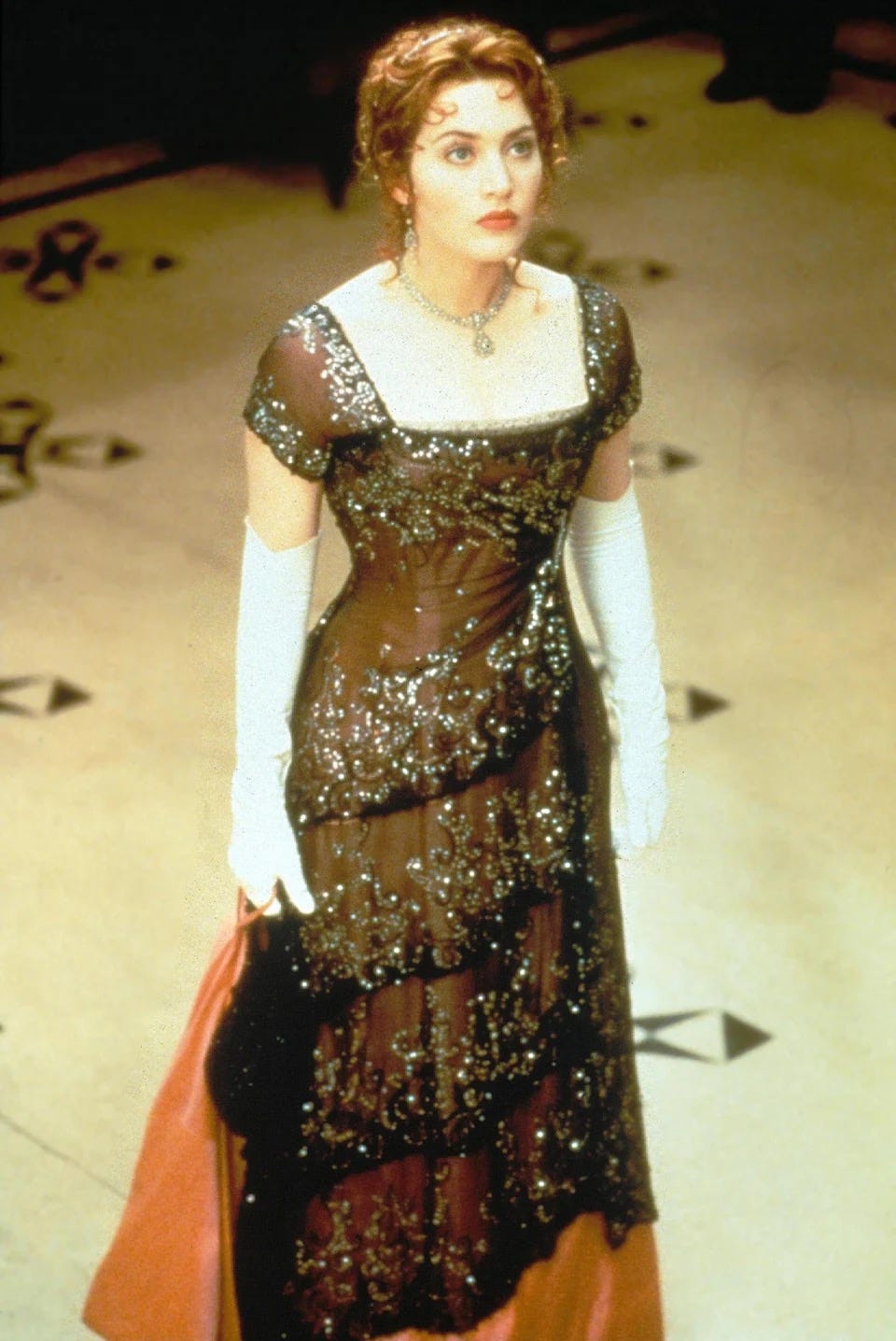
She also revealed in an interview with The Sunday Times in 2022 that a drama teacher told her she would have to “settle for the fat girl parts.”
Kate Winslet’s story wasn’t just about the ’90s but rather about a system that treated women’s bodies as communal property, something to be commented on, mocked, and ridiculed.
She was hired to act.
Her body was irrelevant to her job. And yet it became the loudest conversation after the release of Titanic.
Today, Kate Winslet is vocal about rejecting cosmetic pressure, refusing to erase herself for the camera, and advocating for younger women not to inherit the same damage. That resistance didn’t come from nowhere, it grew from an era that tried to break her down for looking human.
The real scandal was never her body.
It was a culture that demanded women shrink in order to be worthy of admiration, and punished them when they didn’t.
They call me fat too.
and they also called Monica Lewinsky fat at the time, and she wasn’t fat as well!! those standards were crazy!!